


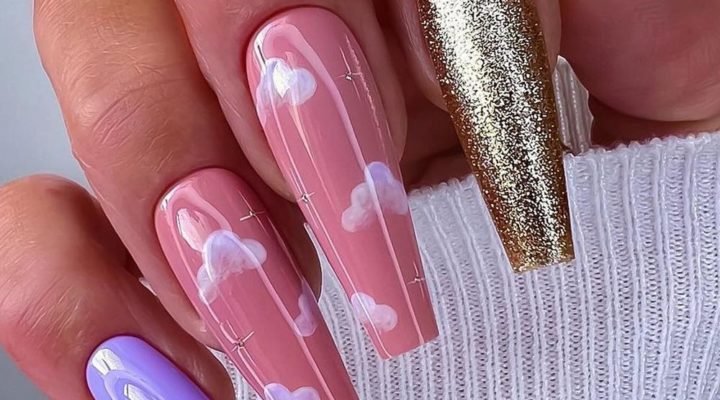
Calling all ballerina babes! 💗 If you're looking to elevate your mani game with a touch of elegance and grace, then ballerina nails are the way to go. This timeless nail art trend takes inspiration from the soft, feminine aesthetic of ballet, with delicate designs and a polished, refined … [Read more...] about 37 Trendy Ballerina Nails Designs for a Cute & Classy Manicure
52 Gorgeous Wedding Hairstyles – Trendy Ideas for 2024
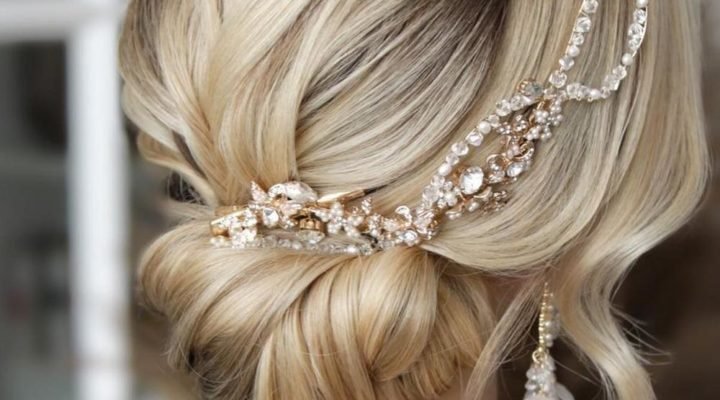
Wedding season is upon us! If you're preparing for your lucky day, it's time to start planning your dream wedding hairstyle. 💇♀️ From classic chignons to modern boho braids, this roundup of gorgeous wedding hairstyles has all the inspo you need to look and feel your absolute best on the big … [Read more...] about 52 Gorgeous Wedding Hairstyles – Trendy Ideas for 2024
57 Adorable Squoval Nails Inspo for 2024
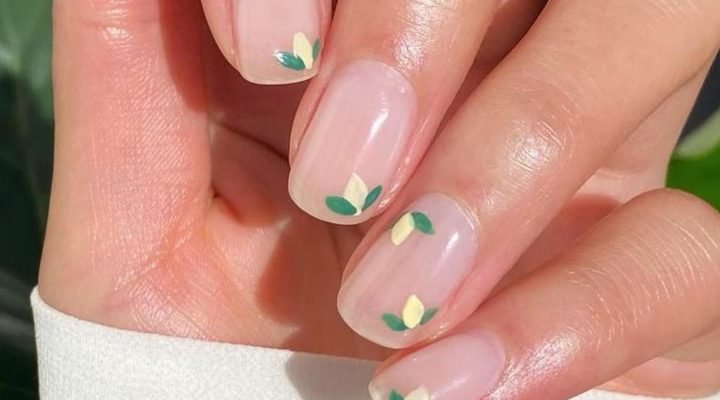
I absolutely love squoval nails! This perfect blend of square and oval is super versatile because you can very easily dress them up with a soft solid hue or French tips, or dress them down with some bright colors or even some glitter or charms. That's why I've scoured the internet to bring you … [Read more...] about 57 Adorable Squoval Nails Inspo for 2024
41 Amazing Braided Hairstyles for Any Occasion (Easy & Hard Braids)
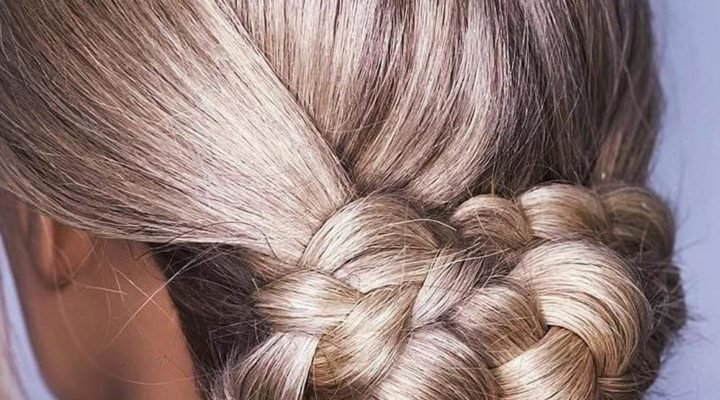
Braids are the ultimate versatile hairstyle - they can be sleek and sophisticated or boho and effortless. Whether you're looking to elevate your everyday look or want a show-stopping style for a special occasion, my roundup here of really amazing braided hairstyles has you covered! From classic … [Read more...] about 41 Amazing Braided Hairstyles for Any Occasion (Easy & Hard Braids)
32 Cute Red Chrome Nails Designs to Feel Like a Femme Fatale
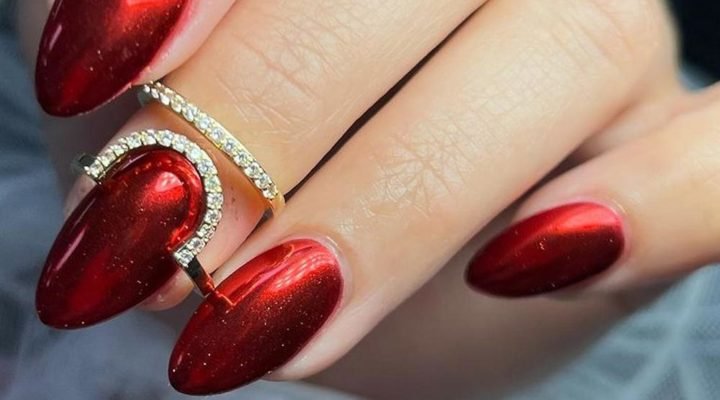
Feeling like a total femme fatale? Then you're going to love these 32 stunning red chrome nail designs I collected! Chrome nails have been blowing up on the beauty scene - I did posts for Vanilla chrome, Blue chrome, Pink chrome and chrome star designs, but I gotta say a bold red hue chrome mani … [Read more...] about 32 Cute Red Chrome Nails Designs to Feel Like a Femme Fatale
47 Chic & Beautiful Nude Nails for a Classy Manicure
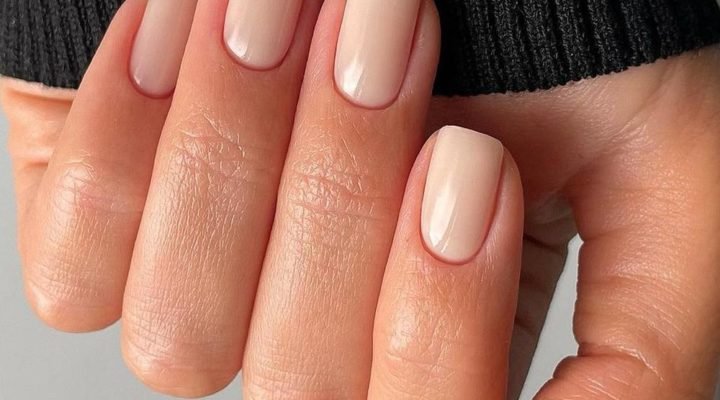
Nude nails are the ultimate in chic, sophisticated style. From soft blush pinks to warm caramel tones, these natural-looking manicures are the perfect canvas for any look and they're super trendy! I already made a post about Old Money Nails, which often feature nude polish (so if you're looking … [Read more...] about 47 Chic & Beautiful Nude Nails for a Classy Manicure
34 Sparkly Blue Chrome Nails Inspo for 2024
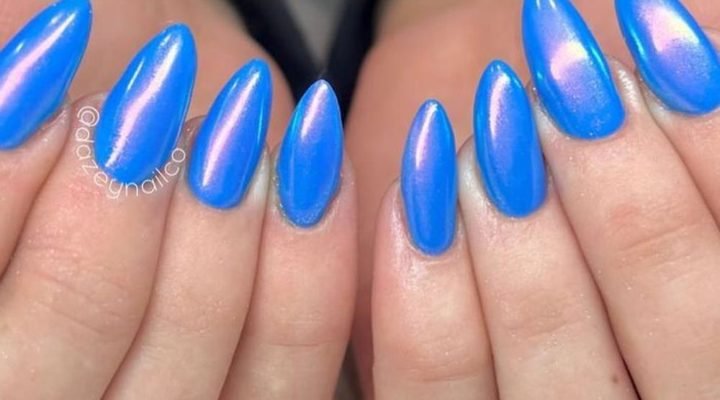
Get ready to shine bright like a diamond in 2024 with these stunning blue chrome nails! This mesmerizing metallic manicure trend is taking the beauty world by storm, and for good reason. The sleek, reflective finish creates an eye-catching, futuristic look that's perfect for making a … [Read more...] about 34 Sparkly Blue Chrome Nails Inspo for 2024
44 Super Chic Baby Boomer Nails for a French Ombré Mani
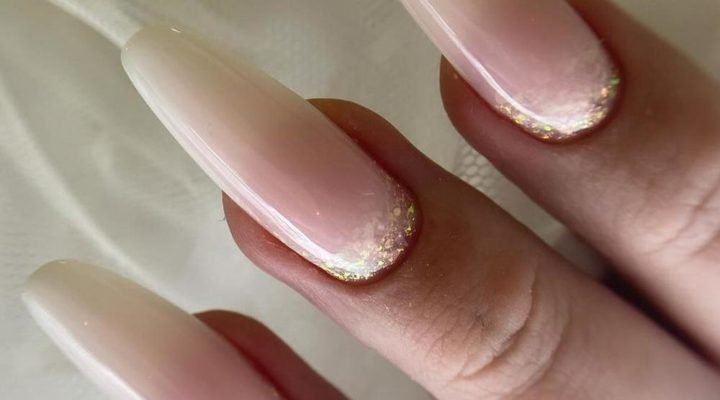
Get ready to elevate your mani game with the hottest trend in town - baby boomer nails. What are Baby Boomer Nails? They're sometimes called French ombré nails and they're basically a French but made with a nice soft gradient (usually from pink to white). Super chic and perfect for a dressy … [Read more...] about 44 Super Chic Baby Boomer Nails for a French Ombré Mani
31 Super Cute Nail Ideas for Olivia Rodrigo’s Guts Tour
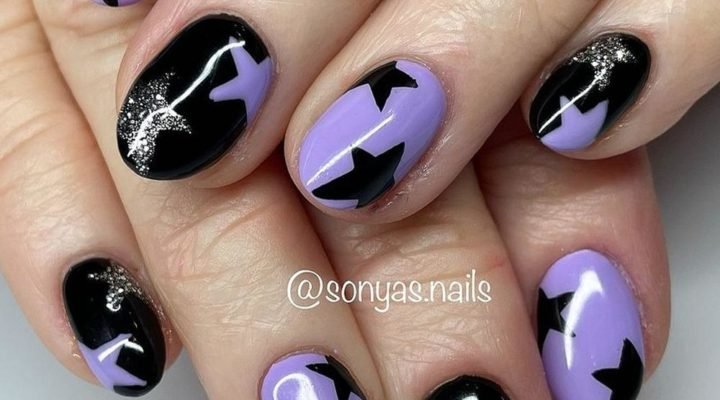
Calling all Olivia Rodrigo fans! If you're getting pumped for her Guts Tour, you're going to want to check out these 31 super cute nail ideas to complete your concert-ready look. From edgy black and white designs to soft pastel shimmers, there's a nail art vibe to match every Olivia … [Read more...] about 31 Super Cute Nail Ideas for Olivia Rodrigo’s Guts Tour
44 Gorgeous Mermaid Nails to Make You Feel like a True Ocean Goddess
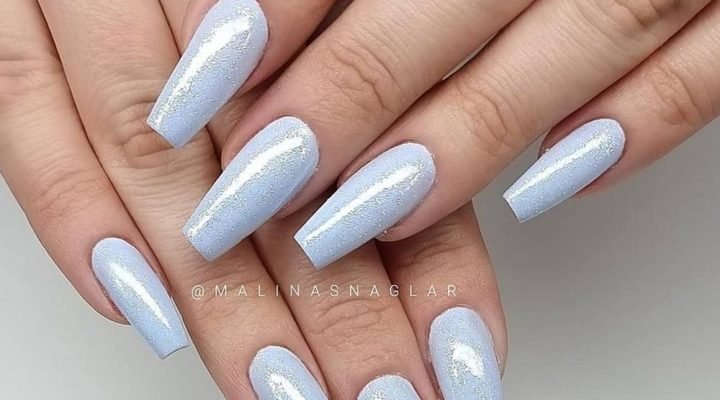
Out of all the new nail trends that I've been following, one of my favorite is the mermaid aesthetic! So, I decided to create this collection of 44 stunning mermaid-inspired manicures, so that you can make a serious splash (sorry!) From shimmering scales and iridescent hues to 3D seashells and … [Read more...] about 44 Gorgeous Mermaid Nails to Make You Feel like a True Ocean Goddess
45 Striking Stiletto Nails for a Chic & Fashionable Manicure
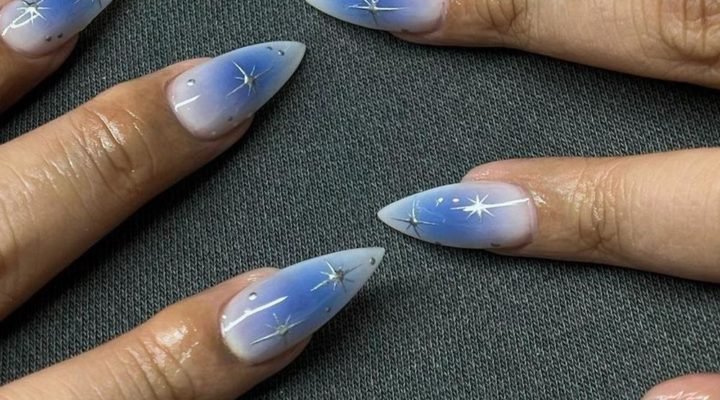
Stiletto nails are the ultimate in chic and fashionable manicures! These long, tapered nails with a sharp, pointed tip are a bold and glamorous look that's perfect for making a statement. Whether you prefer a classic red, a sleek nude, or something more daring like chrome or holographic, … [Read more...] about 45 Striking Stiletto Nails for a Chic & Fashionable Manicure
40 Super Cute Whimsical Nails for a Fun and Quirky Mani Inspo
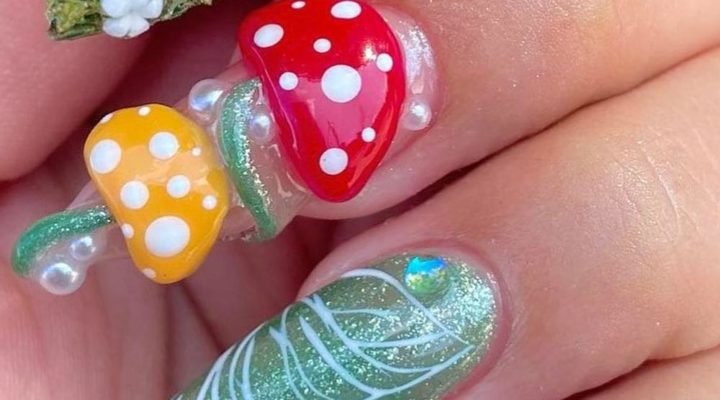
Are you ready to unleash your inner whimsy and have some fun with your mani? Then you're going to love my collection of 40 super cute and quirky nail designs that I found online! From playful patterns to charming 3D accents, these whimsical nails are the perfect way to express your unique … [Read more...] about 40 Super Cute Whimsical Nails for a Fun and Quirky Mani Inspo